
Hey, it’s been a couple of years.
If you’ve been wondering where I went, I’ve been heads down in programming mode. The kind where the days blur together, coffee turns into infrastructure, and just about the only thing I’ve written in a long time is code.
Right before COVID, I went deep into DNS, working way down in the database layer. For years I was chasing the right math to make it work the way I knew it could. I finally figured it out. At the same time I kept building Fastcomcorp and helping clients with their projects. That didn’t leave much spare time, and honestly, I didn’t want any. I’ve always put my mind into something productive. I just don’t have time for nonsense.
In between all that, I’ve been reading, working on myself, and getting through some pretty stressful stretches. Building a company and building yourself at the same time is a lot of work. Most of that effort went into building real value: intellectual property. Software, systems and processes the business owns and can keep building on for years.
Now I’m finally coming up for air, and I want to get back to writing. Not because I ran out of things to build, but because I noticed something. When I stop writing, I stop reflecting. And when I stop reflecting, it’s easy to mistake staying busy for making progress.
Long stretches of building have a way of stripping things back to the basics. Here’s what I took away from this one:
One thing surprised me. The more time I spent in a world of ones and zeros, the more I came to value the world that isn’t made of them. I appreciate nature now more than I ever have. The quiet. Things that grow without a deployment schedule. Problems you can’t solve just by thinking harder. And I’m not the only one. There’s a running joke that every programmer secretly wants to be a farmer, and with how many of us end up gardening or heading for the hills, I’m not sure it’s a joke. Getting outside doesn’t pull me away from the work. It’s usually where the best ideas finally show up.
This is a strange and exciting time to be building something. AI is changing how software gets written, how attackers work, and how small businesses compete. The ground is moving under everybody. That’s unsettling, but it also means the doors are open wider than they’ve been in years.
For small and medium-sized businesses especially, the gap between what’s possible and what’s actually being done has never been bigger. That gap is where a lot of good work is waiting.
Good things are happening this year, and I’ll be sharing them here: the products I’ve been quietly building for a long time, notes on security and infrastructure, lessons from working between the US and Latin America, and the occasional thought on mindset and business that doesn’t fit anywhere else.
More soon, starting with what I’ve been building. The coffee’s on standby, with a pot of Earl Grey for the harder problems.
Thanks for reading, and for sticking around.
Francisco
Views are my own.
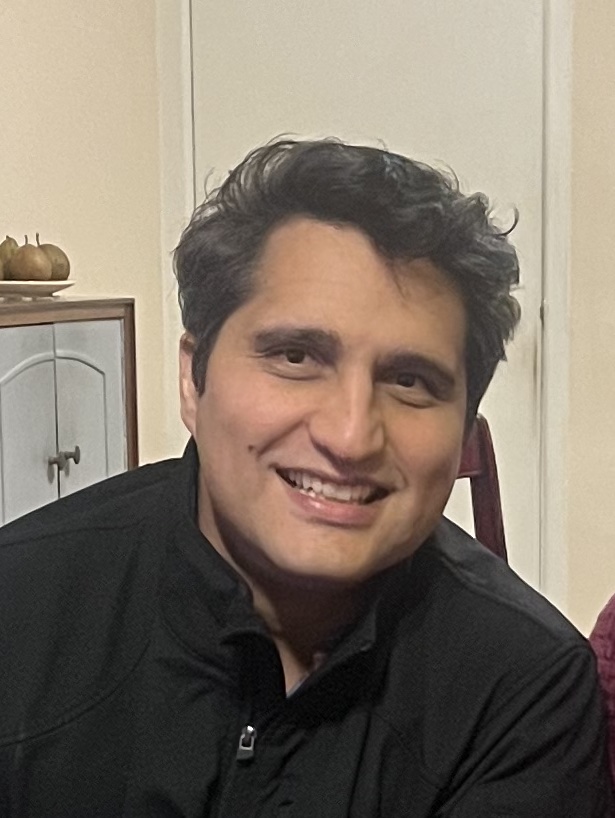
Software Developer & Tinkerer
Hey, I’m Francisco. I got hooked on technology back when the internet sounded like a modem handshake and you learned by breaking things and figuring out why. Since then I’ve worked on systems where failure wasn’t an option. These days I write code, help businesses with their tech, and still take things apart to see how they work.